


Solid Recovered Fuel (SRF)
Solid Recovered Fuel (SRF) is a high‑quality, engineered fuel made from non‑hazardous, non‑recyclable waste and produced to strict standards such as EN 15359, typically delivering 15–25 MJ/kg and used to replace coal in industries like cement and power generation.
What is SRF
- SRF is a refined form of Refuse‑Derived Fuel (RDF), created through advanced sorting, shredding, drying, and quality control to ensure consistent calorific value and low chemical variability.
- It is derived from mixed plastics, paper, cardboard, textiles, wood, and other combustible residual waste.
Composition
Average SRF composition (ISPRA 2024):
- Mixed plastics: 40–60%
- Paper & cardboard: 20–30%
- Textiles: 10–15%
- Minor fractions: wood, rubber, others
Plastic content strongly influences calorific value.
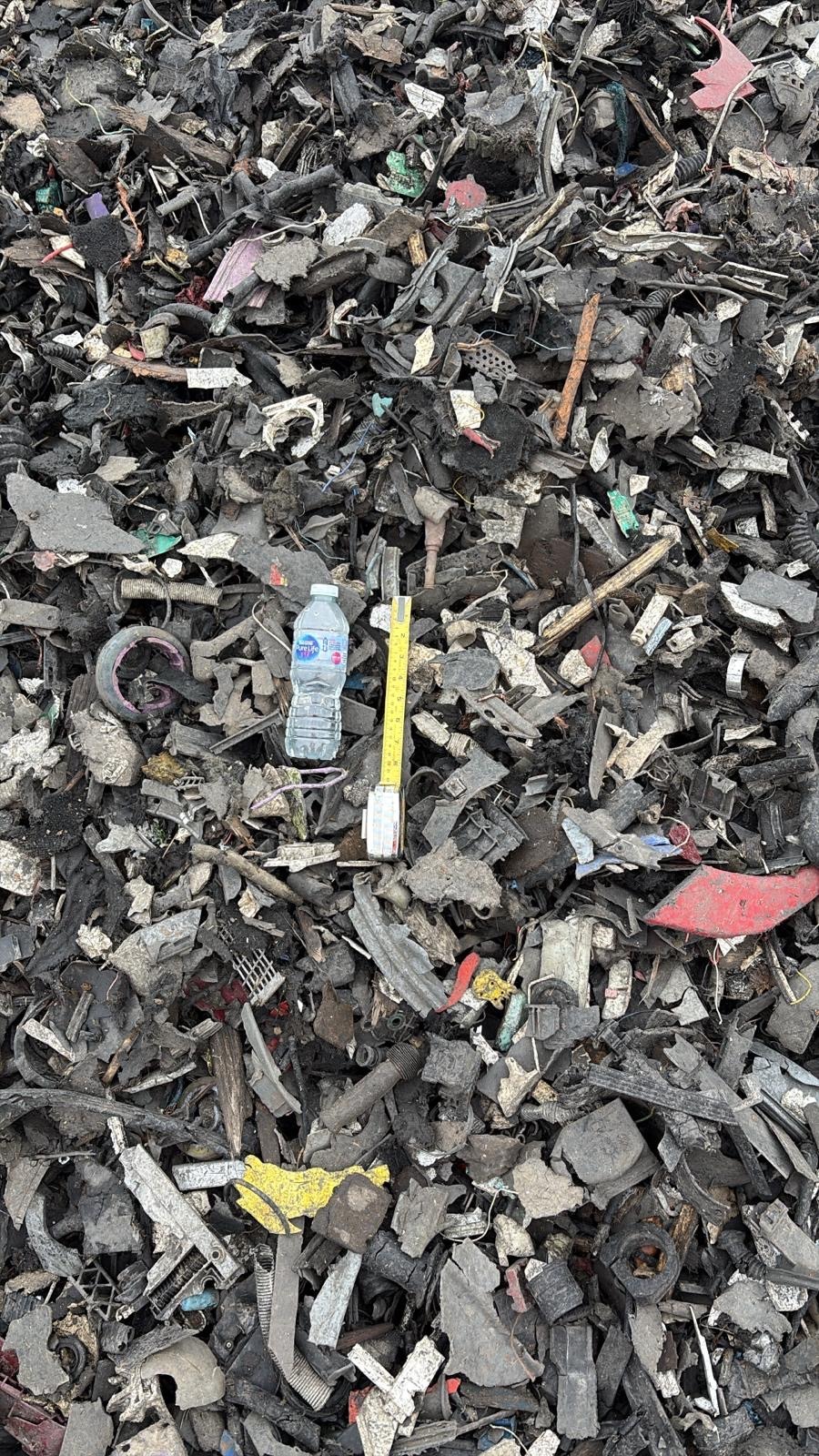
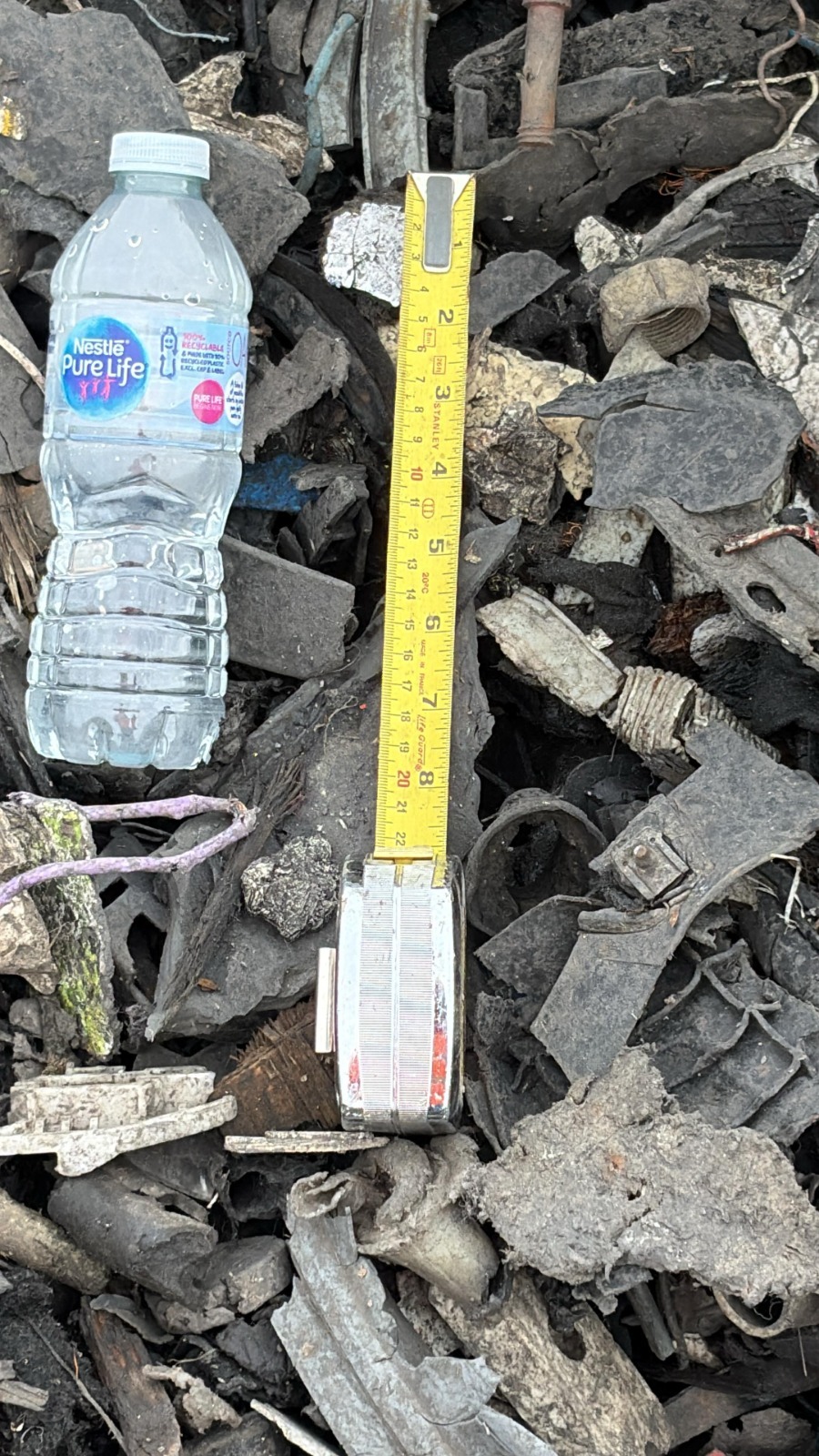
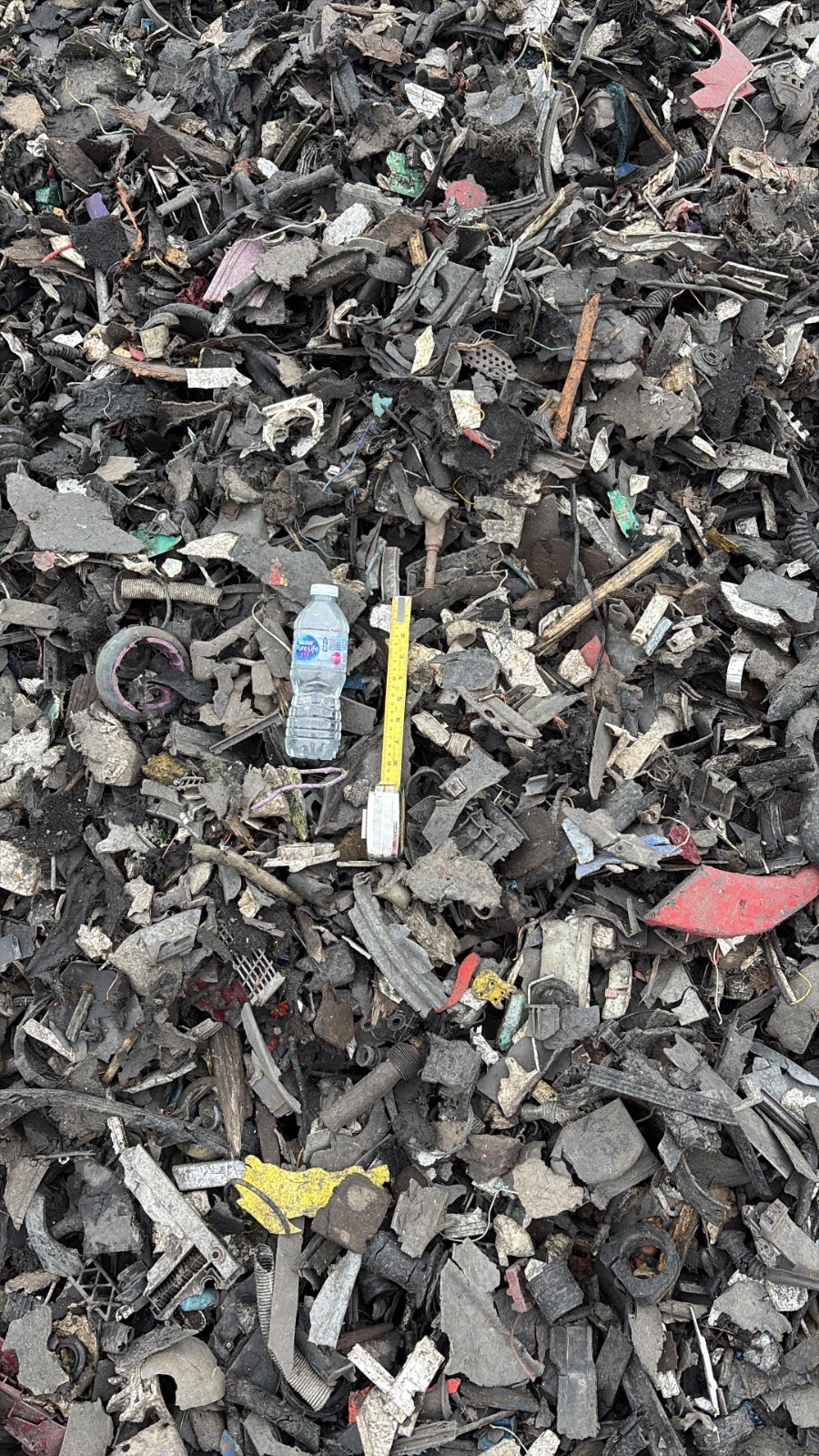
From sourcing and logistics to compliance, export management, and long-term supply agreements, SRR provides a complete solution for organisations seeking sustainable alternatives to traditional waste disposal.
-
Access to global Waste-to-Energy, cement kiln, and industrial fuel markets.
-
Sustainable alternatives to landfill disposal.
-
Reduced waste management and disposal costs.
-
Improved recycling, recovery, and diversion rates.
-
Reliable international logistics and export solutions.
-
Consistent, long-term fuel supply opportunities.
-
Support for decarbonisation, net-zero, and circular economy targets.
-
Commercially attractive recovery solutions for difficult residual waste streams.
As governments and industries continue to accelerate the transition towards lower-carbon energy sources, automotive shredded residue is emerging as an increasingly valuable alternative fuel resource. SRR is committed to helping suppliers and energy producers unlock the full potential of these materials through responsible recovery, sustainable energy generation, and the creation of long-term global partnerships.
Fueling Industry. Reducing Landfill. Delivering Sustainable Energy Solutions Worldwide.
Alternative Fuel Production
The high calorific value of materials such as plastics, rubber, and textiles makes SRF an ideal feedstock for alternative fuels. Processed material can be utilised in:
- Cement kilns
- Waste-to-Energy (WtE) facilities
- Industrial furnaces
- Energy-intensive manufacturing operations
This helps reduce reliance on fossil fuels while supporting industrial decarbonisation goals.
Economic Value Creation
The high calorific value of materials such as plastics, rubber, and textiles makes SRF an ideal feedstock for alternative fuels. Processed material can be utilised in:
- Cement kilns
- Waste-to-Energy (WtE) facilities
- Industrial furnaces
- Energy-intensive manufacturing operations
This helps reduce reliance on fossil fuels while supporting industrial decarbonisation goals.
Environmental Compliance
Our recycling solutions assist operators in meeting UK and European vehicle recovery and recycling targets while demonstrating commitment to sustainable waste management practices and environmental stewardship.
Innovation & Advanced Technology
Modern SRF processing incorporates advanced technologies, including:
- Density-based separation systems
- Sensor-based sorting technology
- Electrostatic separation
- Automated recovery processes
These innovations improve material recovery rates whilst increasing operational efficiency and sustainability.
Supporting Net Zero Objectives
By recovering resources and replacing fossil fuels with waste-derived alternatives, SRF recycling contributes to carbon reduction strategies and supports the transition towards a lower-carbon, resource-efficient economy.
Partner with Smart Resources Recycling
At Smart Resources Recycling, we are committed to finding sustainable solutions for complex automotive waste streams. By transforming Automotive Shredder Residue into valuable secondary resources and alternative fuels, we help our customers achieve environmental compliance, reduce costs, and contribute to a more sustainable future.
Contact our team today to discuss your Car Frag recycling, recovery, and resource management requirements.